From the temple’s historyमंदिर का इतिहासThe History of Naina Devi, Sarkidharनैणा देवी, सरकीधार का इतिहास
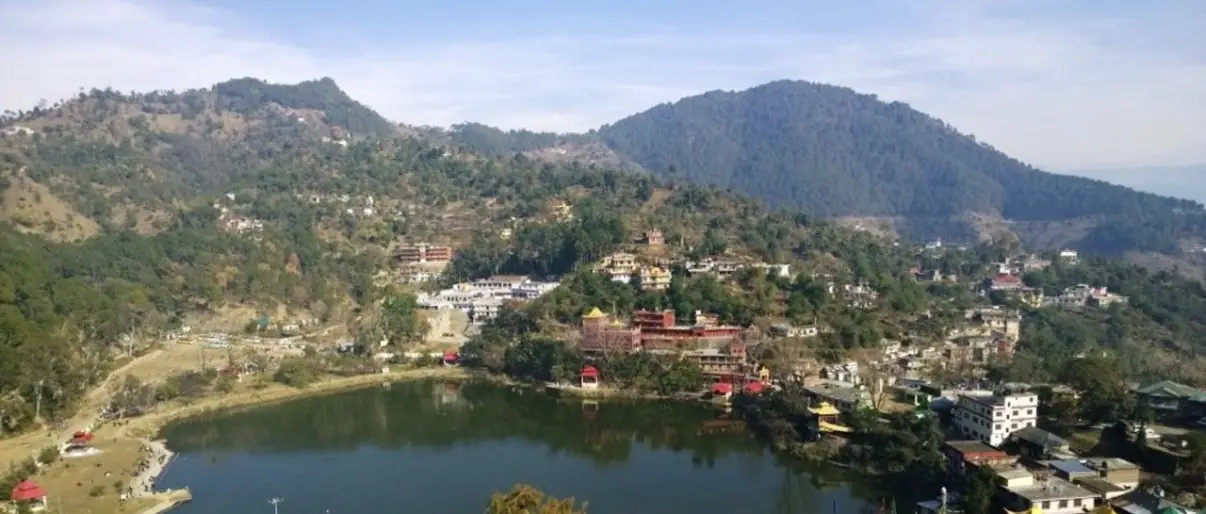
In the second dialogue of the Himavan Khand of the Shri Skanda Mahapurana, the sage Lomas asks Mother Parvati about the religious greatness of Rewalsar — called Hridayalesh — and the merit of japa, tapa and daan in this place. After answering him, Mother Parvati granted the sage a boon: she would dwell near Hridayalesh in the form of “Tara”. And so the Mother came to be present here as Maa Tara.श्री स्कन्द महापुराण के “हिमवान खण्ड” के दूसरे संवाद में माँ शक्ति और श्री लोमश ऋषि के बीच संवाद का वर्णन है, जिसमें ऋषि माँ पार्वती से रिवालसर अर्थात हृदयालेश के धार्मिक महत्व तथा जप, तप और दान की इस स्थान पर क्या महत्ता है, इस बारे में जानते हैं। ऋषि की जिज्ञासा शांत करने के बाद माँ पार्वती ने श्री लोमश ऋषि को हृदयालेश के समीप “तारा” रूप में निवास करने का वरदान दिया, और माँ इस स्थान पर माँ तारा के रूप में विद्यमान हुईं।
A folk legend tells of a girl named Tara from a nearby village. Chased by dacoits, she ran until she reached this spot. Here she called out to Lord Krishna to protect her, as Draupadi once had, and she saw Shri Lomas Rishi deep in penance. The earth split open and the girl merged into it at this very place. She later became famous as Maa Ugratara.एक दन्त कथा के अनुसार समीप के एक गाँव की कन्या, जिसका नाम तारा था, का डाकू पीछा करते-करते इस स्थान तक आ पहुँचे। इस स्थान पर उस कन्या ने श्रीकृष्ण भगवान को द्रौपदी की तरह अपनी रक्षा के लिए पुकारा, तब उसे श्री लोमश ऋषि जी तप में लीन दिखाई दिए। धरती के फटने से वह कन्या इसी स्थान पर समा गई, जो बाद में माँ उग्रतारा के रूप में प्रसिद्ध हुई।
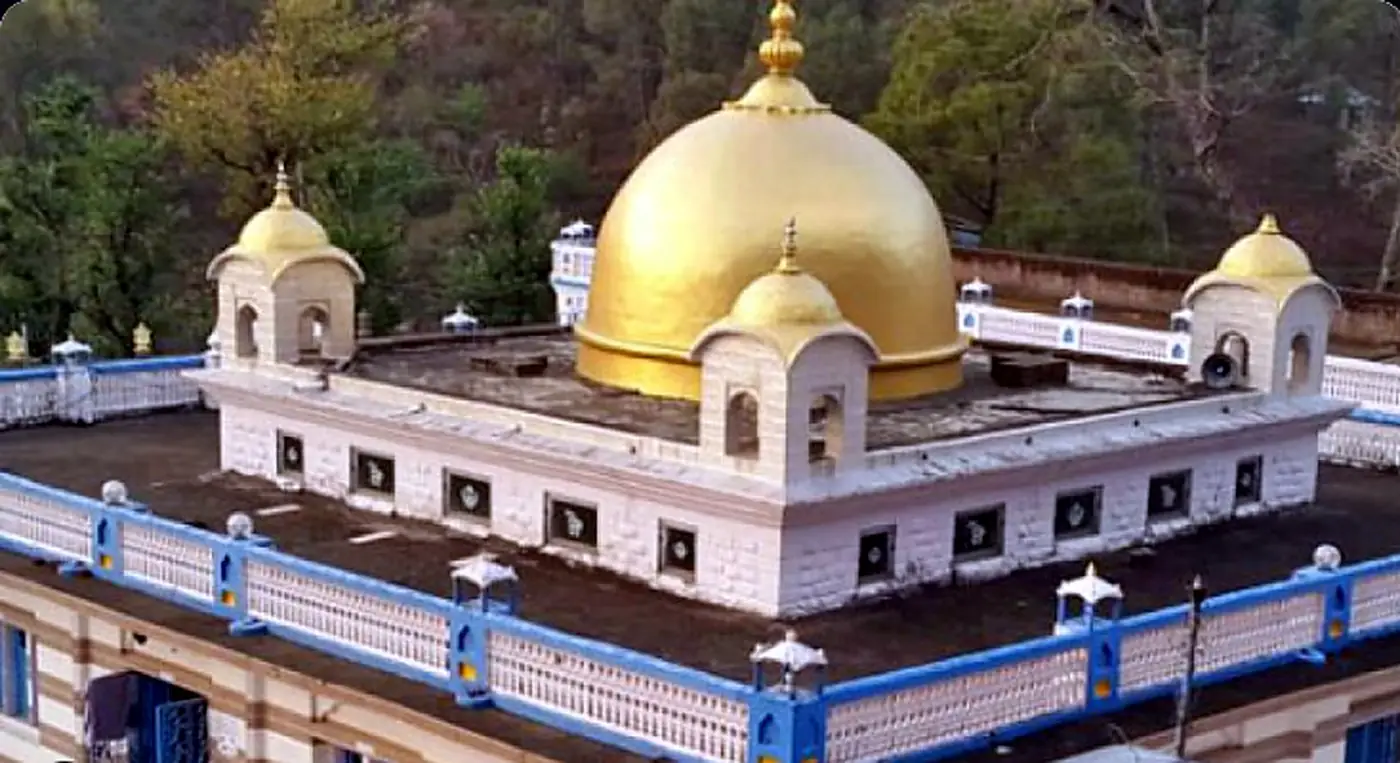
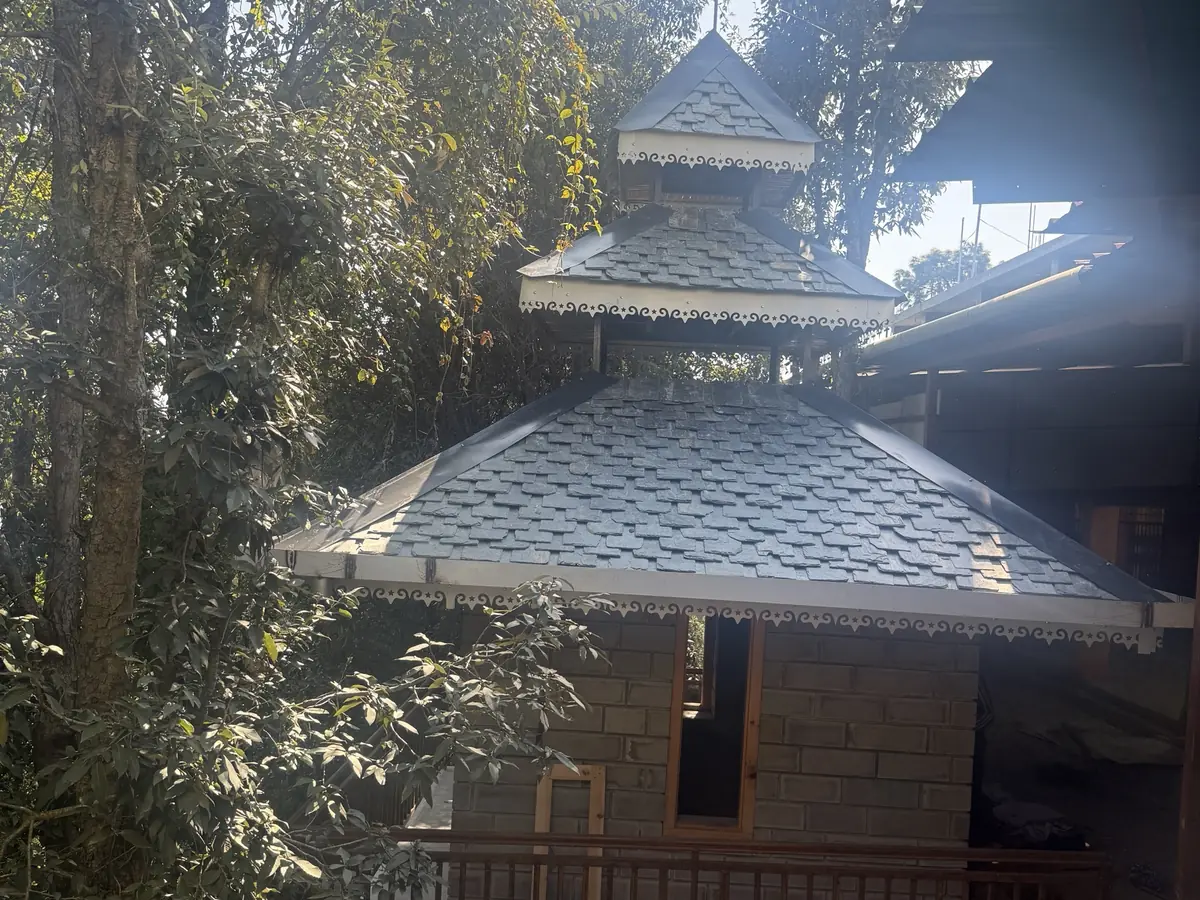
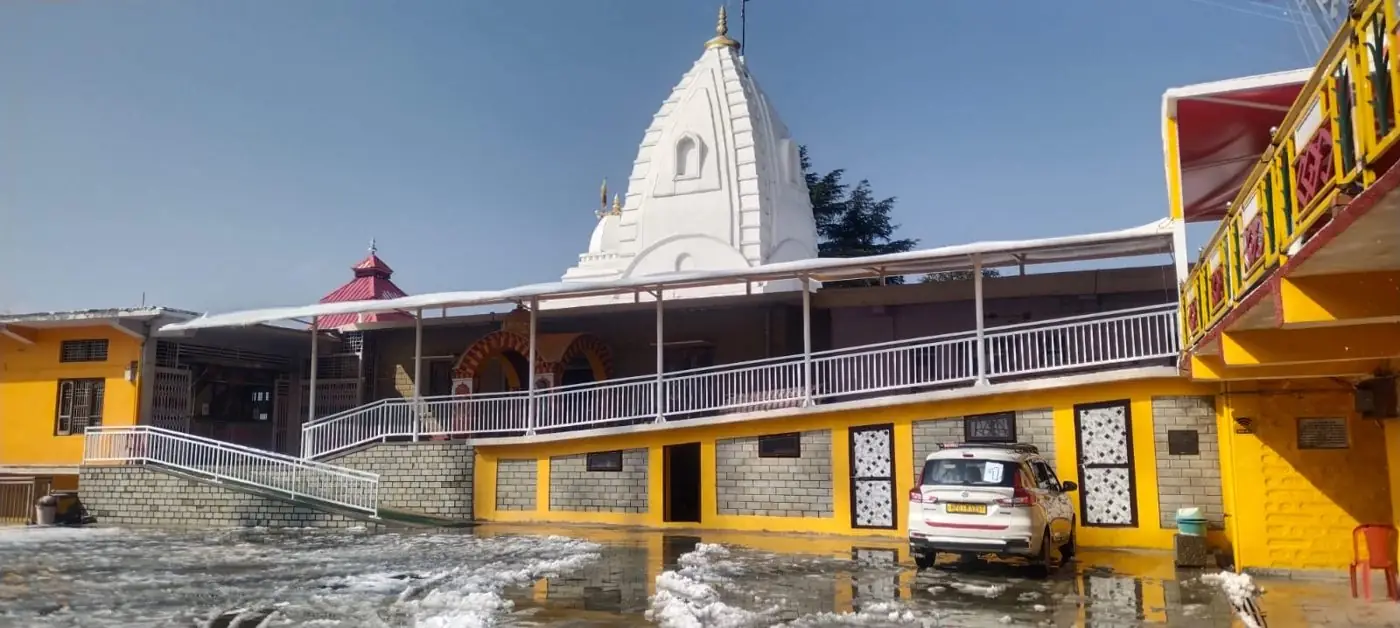
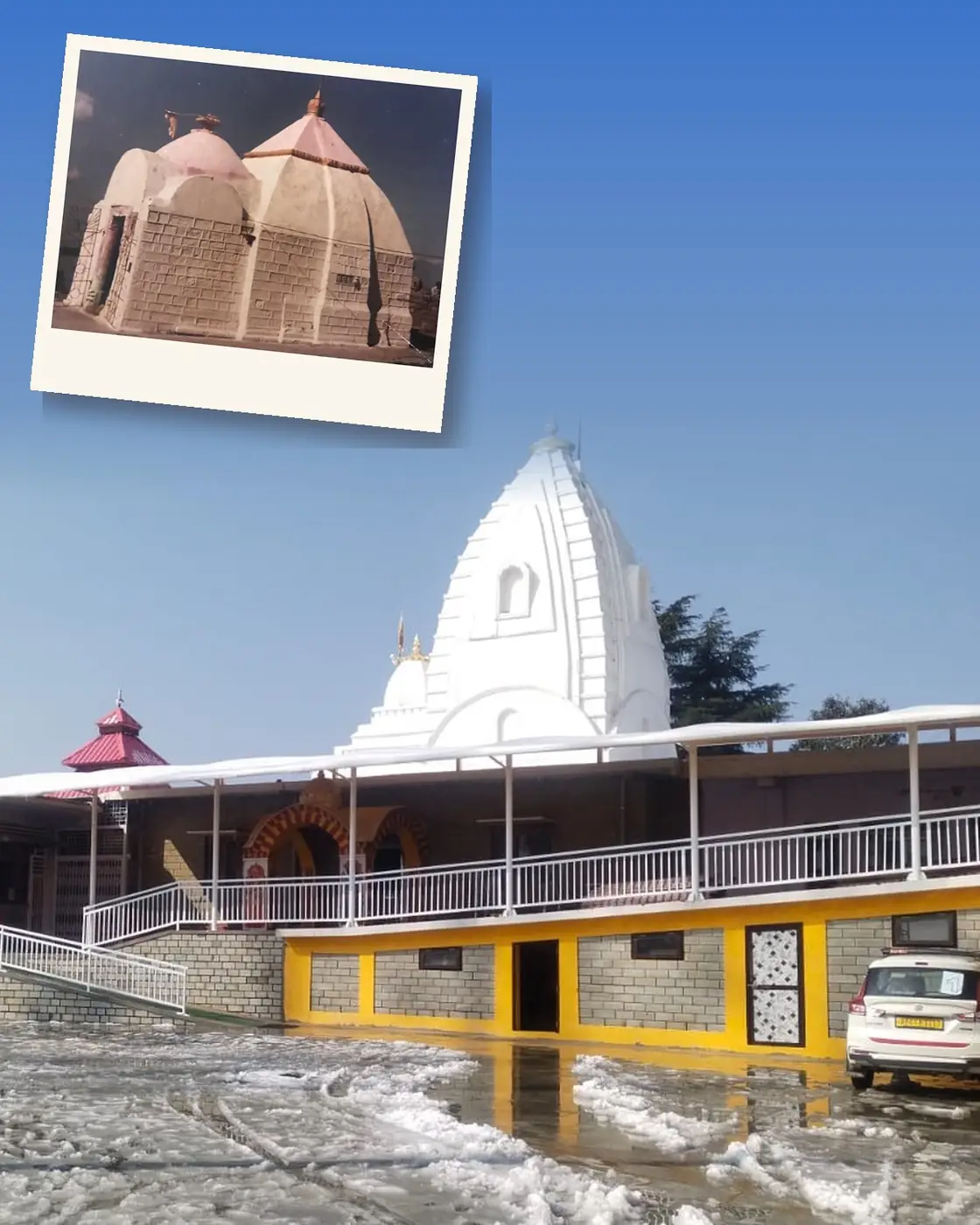
Since ancient times this place has been known as Devalaya, the “seat of the Goddess”. According to known history, a temple was built here around 1630 AD. It was the work of the same craftsman who, in 1625, built the “Damdama” of Raja Suraj Sen of Mandi — today’s Madhorai Mahal. It is said that Raja Suraj Sen had that craftsman’s right hand cut off. Hariram, an ancestor of the Dohu family, had this temple built in the shikhara style.प्राचीन काल से ही इस स्थान को देवालय अर्थात देवस्थल के नाम से जाना जाता है। ज्ञात इतिहास के अनुसार यहाँ मन्दिर का निर्माण लगभग 1630 ई. में किया गया। यह मन्दिर उसी कारीगर ने बनाया था जिसने 1625 ई. में मण्डी के राजा सूरज सेन के “दमदमा” — वर्तमान “माधोराय महल” — का निर्माण किया था। कहा जाता है कि राजा सूरज सेन ने उस कारीगर का दाहिना हाथ कटवा दिया था। डोहुओं के पूर्वज हरिराम ने इस मन्दिर का निर्माण शिखर शैली में करवाया था।
That grand temple fell in the earthquake of 1905. A smaller temple was then built in its place, and it stands today inside the present temple. Raja Ajbar Sen (1499–1534) had earlier entrusted the worship to a Brahmin named Dohu, granting him rule over the nearby villages. Around 1894, Raja Vijay Sen of Mandi (1852–1902) lost his eyesight, and even long treatment could not bring it back. Then, in a dream, the Mother told him to come to this place and offer eyes.1905 के भूकम्प में वह भव्य मन्दिर धराशायी हो गया, जिसके बाद यहाँ एक छोटे मन्दिर का निर्माण किया गया जो वर्तमान मन्दिर के अन्दर स्थित है। राजा अजबर सेन (1499–1534) ने डोहू नामक ब्राह्मण को आस-पड़ोस के गाँवों का शासन देकर पूजा-पाठ के लिए अधिकृत किया था। मण्डी के राजा विजय सेन (1852–1902) की सन् 1894 के आसपास आँखों की रोशनी चली गई, और बहुत इलाज करवाने पर भी नहीं लौटी। तब माँ ने स्वप्न में राजा को इस स्थान पर आकर आँखें चढ़ाने का आदेश दिया।
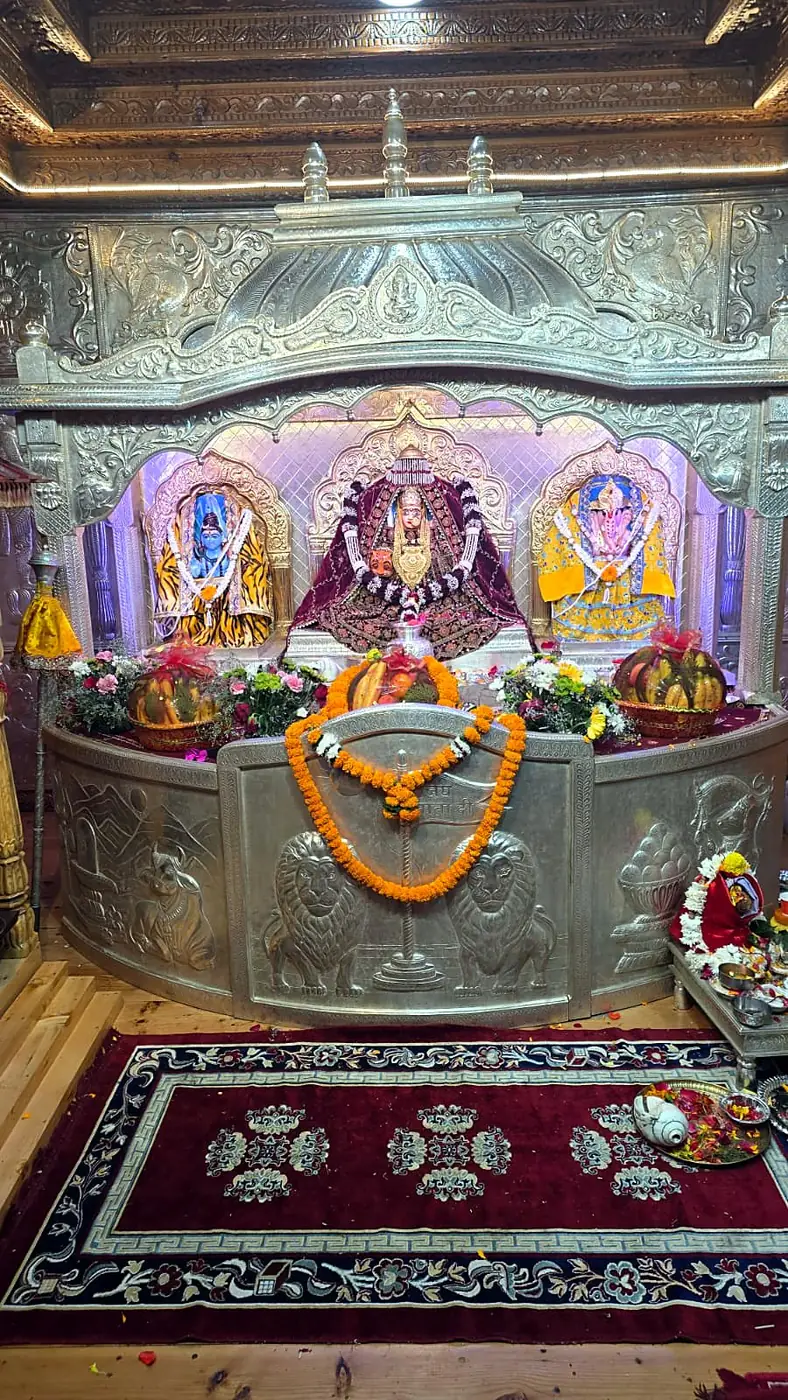
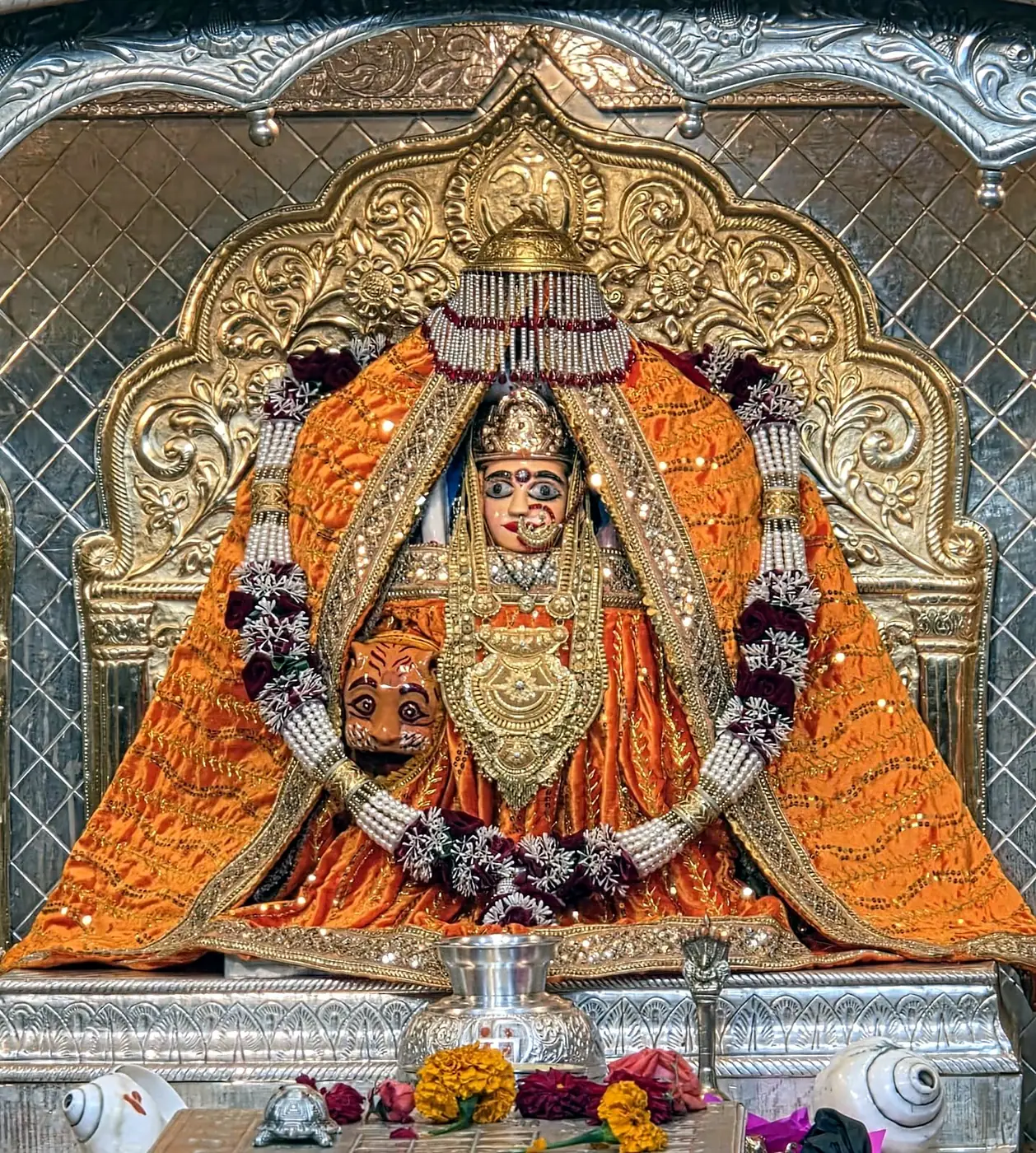
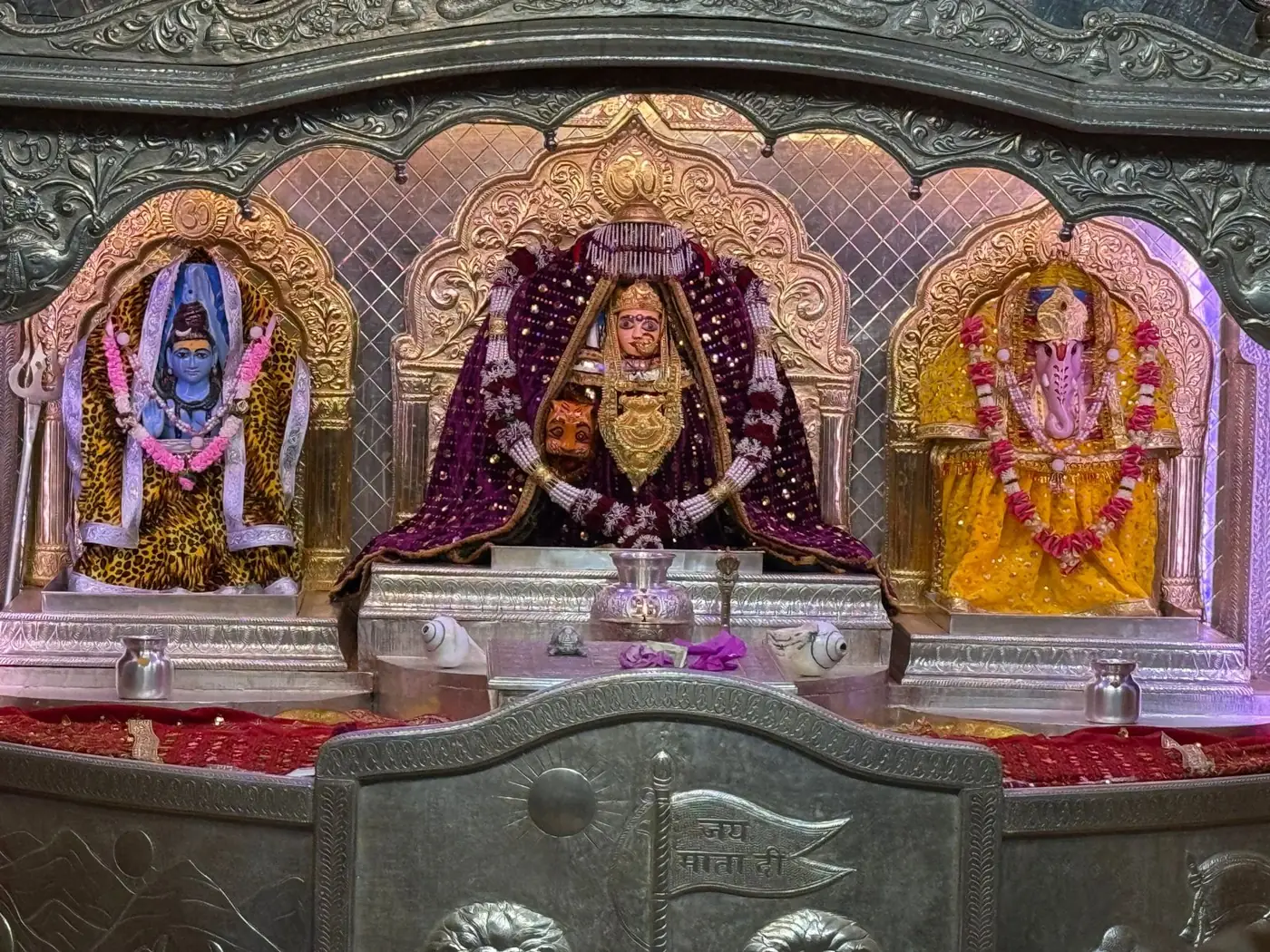
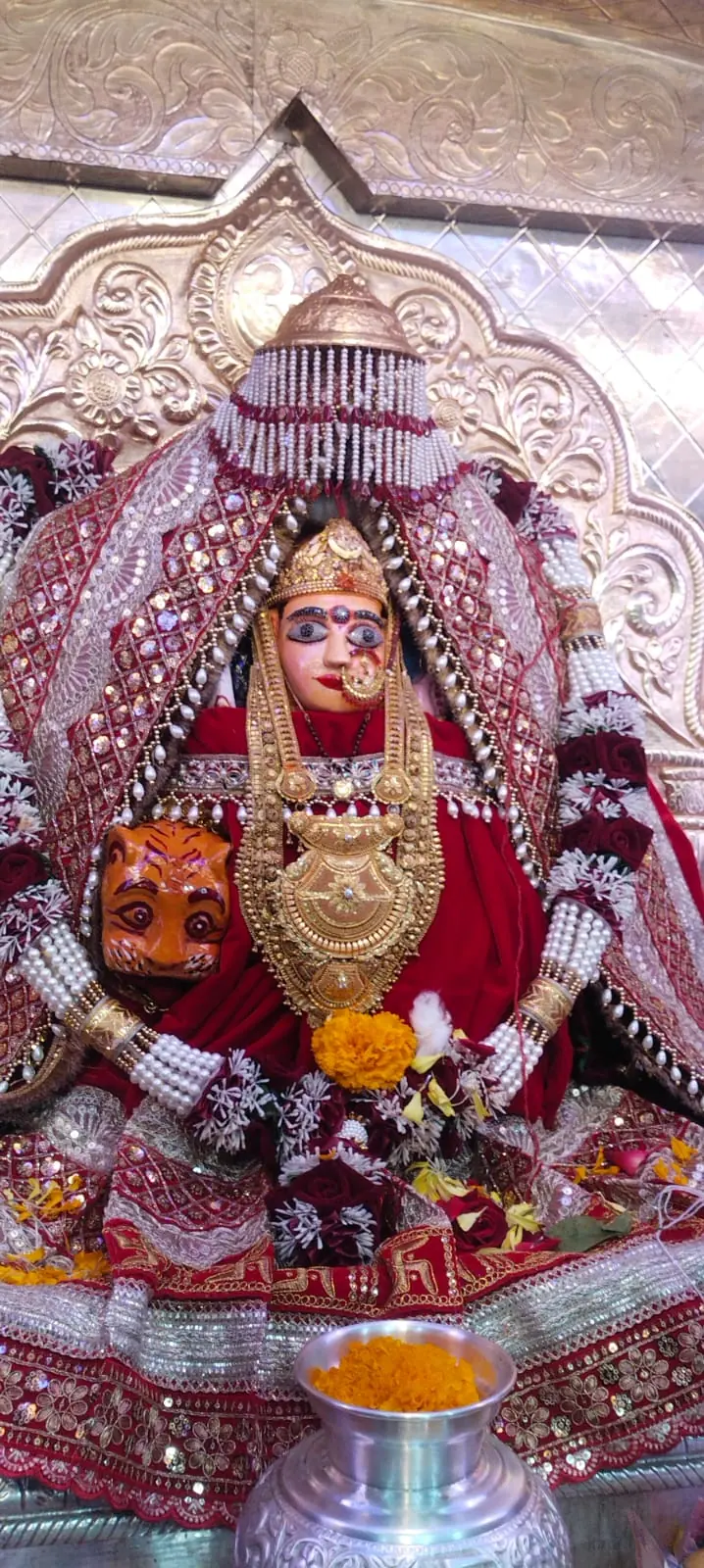
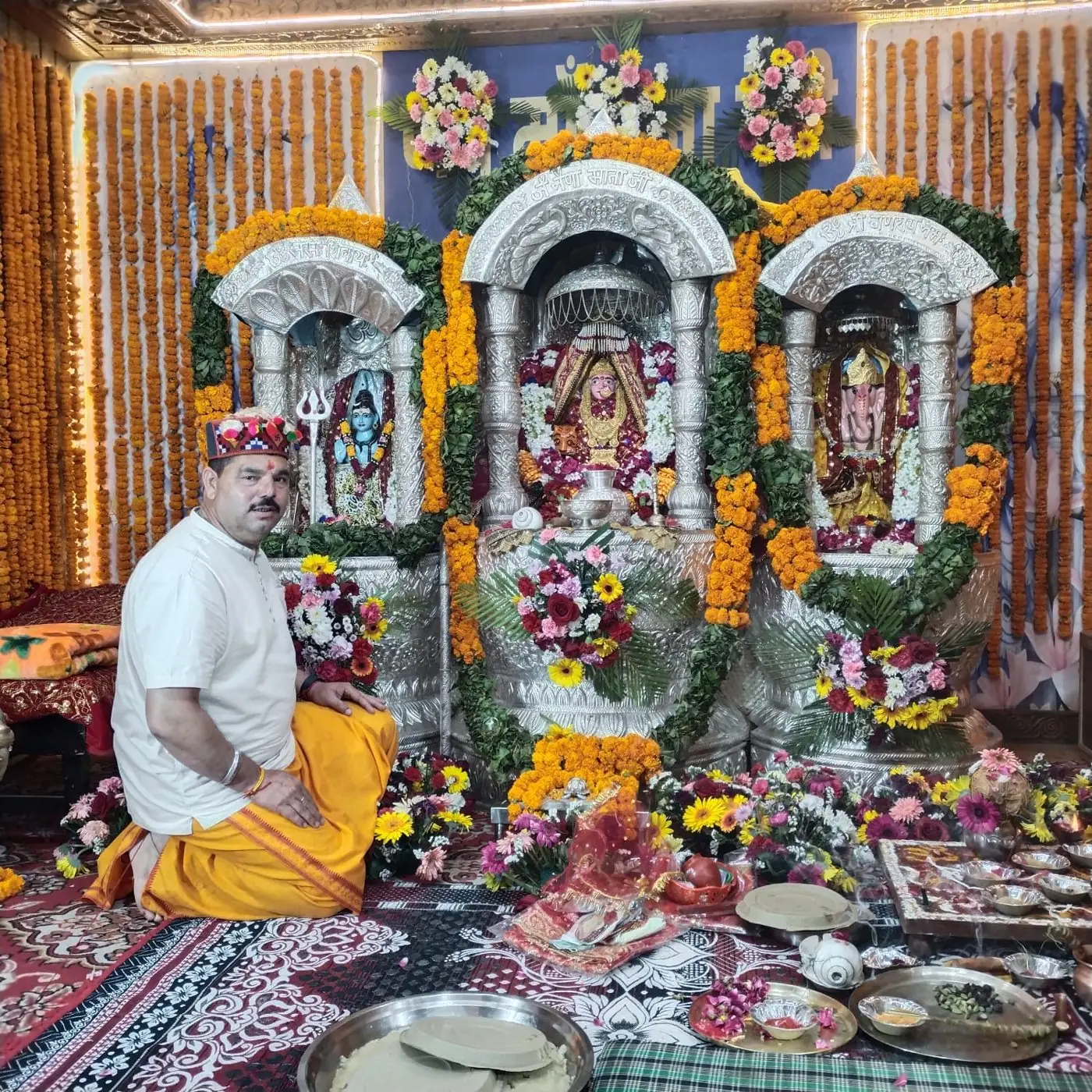
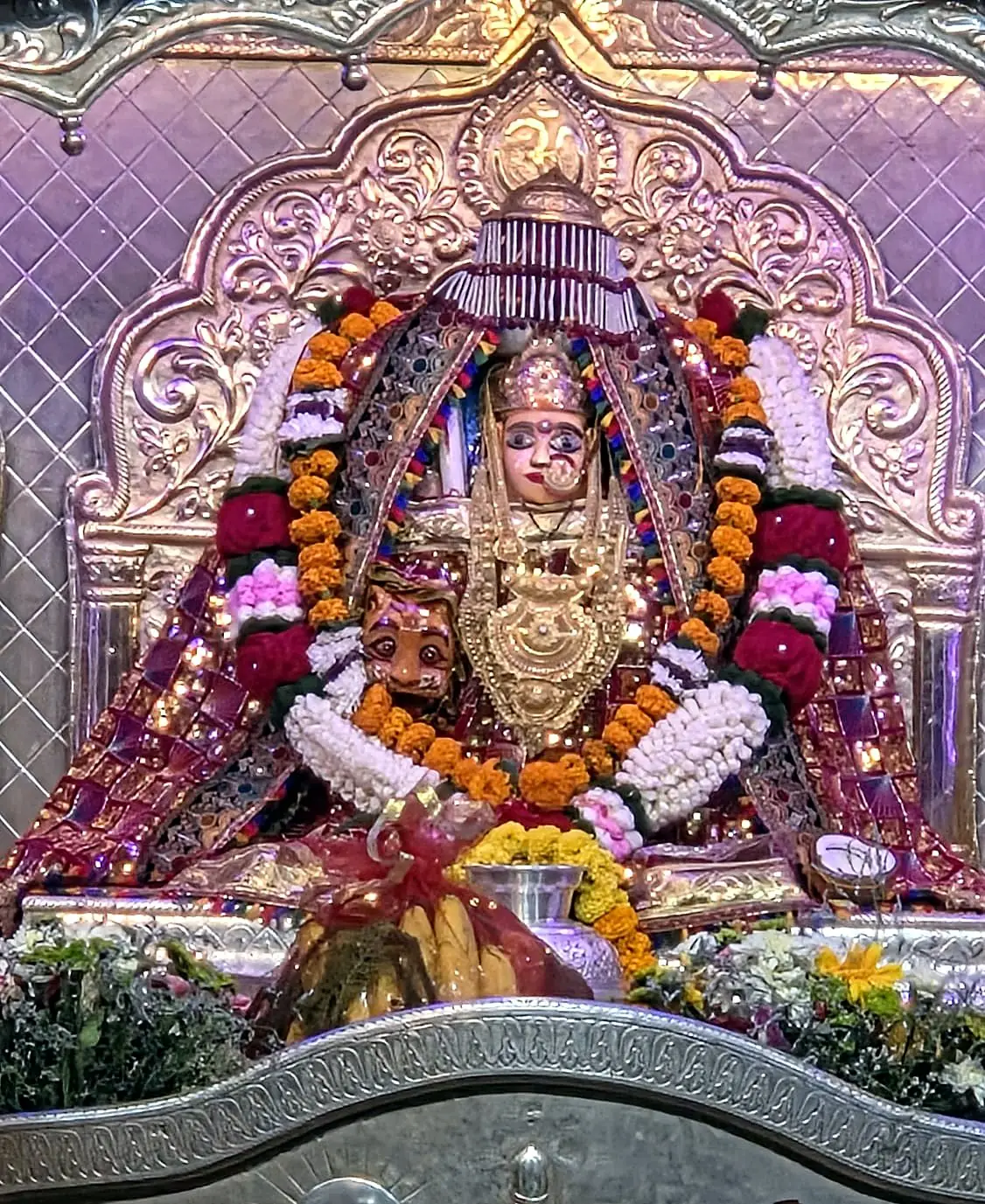
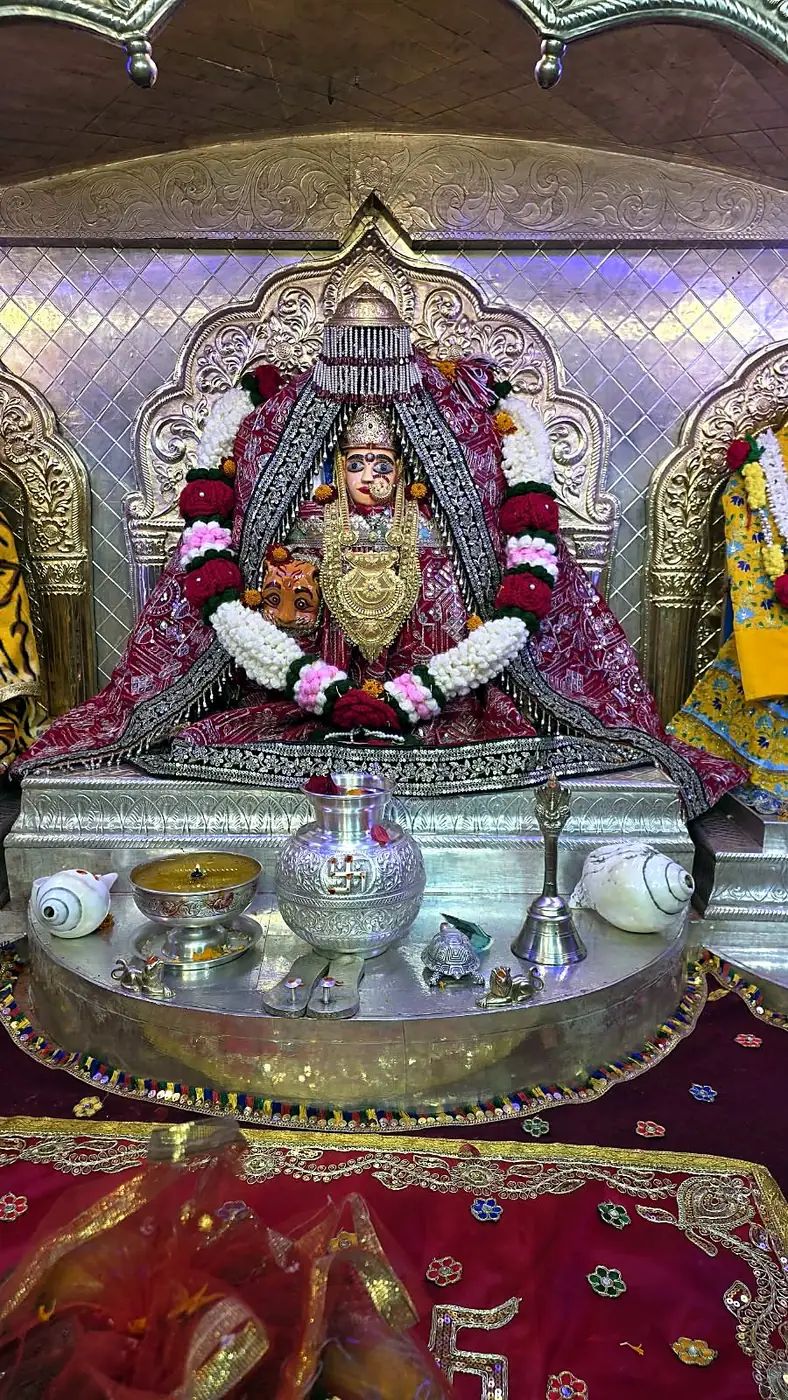
When the Raja offered eyes to the Mother, his sight returned. By royal decree he then named Maa Tara “Naina Mata”, and since then the Adishakti here has been known as Naina Mata. People come from every corner of Himachal to have their wishes fulfilled, and the Dohu Brahmins still perform the daily puja.राजा द्वारा माँ को आँखें भेंट करने पर उनकी आँखों की रोशनी लौट आई। तब राजा ने राजाज्ञा द्वारा माँ तारा का नाम “नैणा माता” रखा। तब से अब तक आदिशक्ति को “नैणा माता” के रूप में जाना जाता है। हिमाचल के कोने-कोने से लोग यहाँ आकर अपनी मन्नतें पूरी करते हैं, और डोहू ब्राह्मण यहाँ प्रतिदिन पूजा-पाठ करते हैं।
 श्री नैणा देवी जी


 Rewalsar · ~10 kmरिवालसर · ~10 किमी